
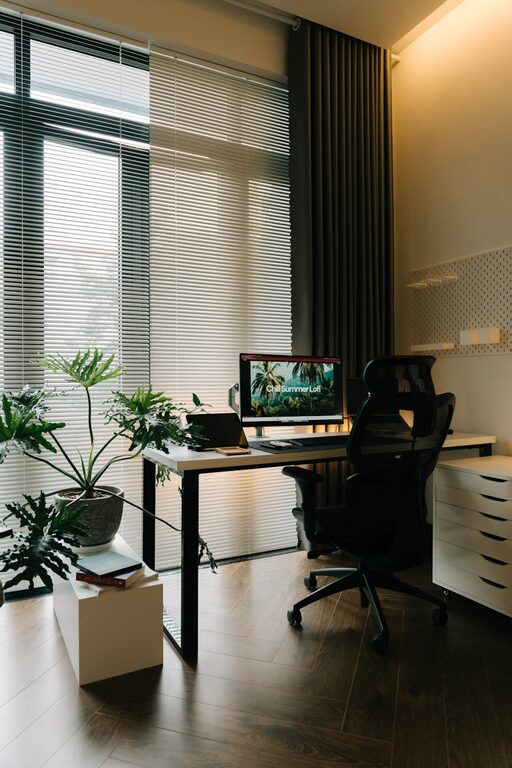
Creating a relaxing home workspace is essential for maintaining productivity and comfort, especially as more people work remotely or spend significant time at home. A well-designed space not only helps you focus but also reduces stress and keeps you motivated throughout the day. Whether you have a dedicated room or just a small corner, these tips will help you create an inviting and efficient workspace.
Choose the Right Location
The first step is selecting a spot in your home that can comfortably accommodate your work essentials. Ideally, pick a quiet area away from distractions like the living room TV or high-traffic zones.
– Natural light: Try to set up near a window to benefit from daylight. Natural light improves mood and energy.
– Quietness: Consider sound levels and interruptions. If needed, use noise-cancelling headphones or room dividers to create a peaceful environment.
– Avoid multipurpose distractions: Avoid spaces where you usually relax or watch TV, as mixing work and leisure spots can affect focus.
Invest in Comfortable Furniture
Comfort plays a big role in staying productive without fatigue.
– Ergonomic chair: Choose a chair that supports your lower back and allows you to sit with feet flat on the floor.
– Desk size: Your desk should provide enough surface area for your laptop, documents, and any accessories, without feeling cluttered.
– Monitor height: Position your monitor to eye level to reduce neck strain.
– Adjustable setups: Consider a sit-stand desk or monitor stands to easily change posture throughout the day.
Personalize Your Space Wisely
Adding personal touches creates a pleasant atmosphere but avoid clutter.
– Plants: Indoor plants improve air quality and add a calming natural element.
– Decor: Photos, art, or inspiring quotes can boost motivation.
– Color scheme: Use soft, neutral colors or shades you find calming, like blues or greens.
– Lighting: Besides natural light, use soft, warm task lighting rather than harsh overhead bulbs.
Keep It Organized
A clean, organized workspace frees your mind and saves time.
– Storage solutions: Use shelves, drawers, and desk organizers to keep supplies in order.
– Cable management: Tidy cables with clips or sleeves to prevent tangling and mess.
– Daily tidying: Spend a few minutes at the end of each day to clear your desk and prepare for tomorrow.
Manage Technology Effectively
Technology is essential but can also create distractions.
– Declutter your desktop: Keep only frequently used apps and files visible on your computer desktop.
– Use productivity tools: Calendar apps, task managers, and focus timers can help you manage your work efficiently.
– Limit notifications: Turn off non-essential alerts during work hours to stay focused.
– Reliable internet: Ensure your workspace has strong, stable internet for uninterrupted remote work and meetings.
Incorporate Break and Relaxation Elements
Taking short, mindful breaks supports mental clarity and prevents burnout.
– Comfort corner: Have a nearby spot with a comfortable chair or cushion to relax briefly.
– Stretch and move: Set reminders to stretch or walk around every hour.
– Hydration and snacks: Keep water and healthy snacks within reach.
– Mindfulness tools: Use aromatherapy, a small water fountain, or calming music to help reset your mind.
Optimize Air Quality and Temperature
Physical comfort impacts focus and well-being.
– Ventilation: Open windows for fresh air or use air purifiers.
– Temperature control: Maintain a comfortable room temperature and dress accordingly.
– Humidity: Use a humidifier if your space is dry, especially during winter months.
Set Boundaries and Routines
Creating mental and physical boundaries between work and personal time is key.
– Designate work hours: Stick to a schedule to keep a healthy work-life balance.
– Limit distractions: Inform family or housemates of your work times.
– Start and end rituals: Begin your day by tidying up your desk or a brief planning session; end it by closing your laptop and turning off work notifications.
—
By following these tips, you can transform any home workspace into a relaxing and productive environment. Remember, the goal is to create a space that supports your individual needs, comfort, and work style — a space where you want to spend time and feel motivated to do your best.